Koala rescue

Report a sick or injured koala

Call our 24/7 rescue team immediately so we can help – thanks for caring

Signs a koala may need help

  • Sitting on the ground or in low branches
  • Appears lethargic, weak or unresponsive
  • Has crusty, weeping or swollen eyes
  • Has a dirty or stained bottom
  • Appears injured or is limping
  • Has visible wounds or signs of a dog attack
  • Is unusually thin or in poor condition

Koalas are wild animals and can become stressed or defensive if approached. Please keep your distance, and we’ll guide you on what to do next.

Steps to a safe koala rescue

If you’re worried about a koala, the most important thing is to keep yourself safe and avoid disturbing the animal. Please follow these steps:

1. Call us immediately

Call our 24/7 rescue line as soon as possible. Our trained volunteers will talk you through what to do next and arrange a rescue if needed.

2. Keep a safe distance

Stay well back and avoid approaching. Koalas are wild animals and may become stressed or defensive if they feel threatened.

3. Make the area safe

If it is safe to do so, reduce immediate risks such as traffic or dogs nearby. Please don’t put yourself in danger.

Every rescue helps protect and strengthen local koala populations.

4. Keep watch until we arrive

Keep an eye on the koala from a safe distance so you can help our team locate it. Note its position in the tree or surrounding area.

5. Let our rescuers take over

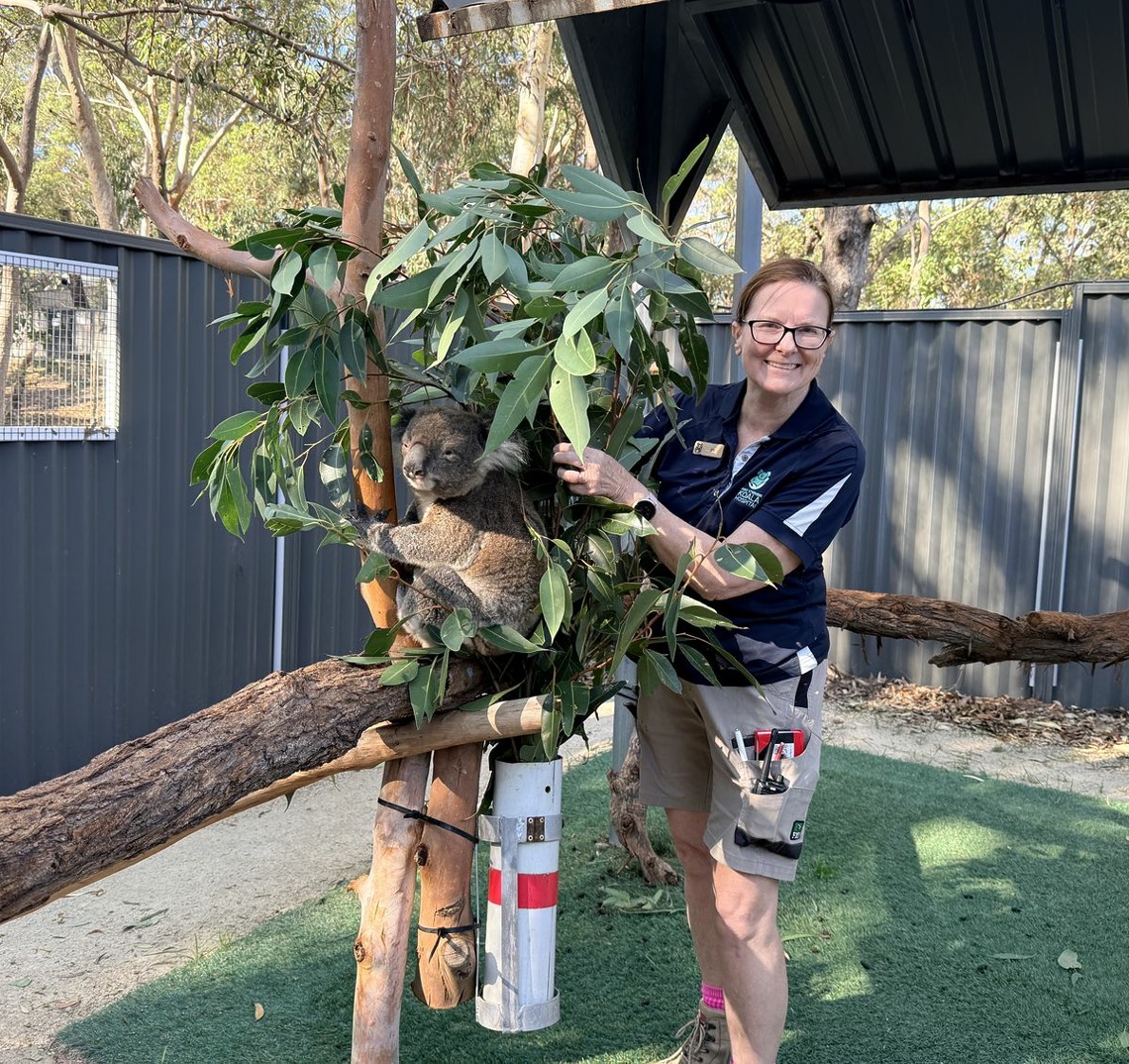
Our volunteers will carefully assess and rescue the koala using safe, approved wildlife handling methods.

Found an injured native animal? Call us, and we’ll help arrange transport to our hospital for treatment or connect you with a native wildlife organisation for non-koala rescues.

Lizards | Birds | Possums | Snakes | Turtles | Echidnas | Gliders | Wallabies

Frequently asked questions (FAQs) – koala and native wildlife rescue

Sick and injured koalas often don’t behave like happy, healthy koalas. If you notice a koala sitting low in a tree, spending time on the ground, showing signs of injury, or with crusty eyes or a dirty bottom, please call our 24/7 rescue line for advice.

In most cases, no. Koalas can bite and scratch when they’re frightened or in pain. Because of this, our advice is to look, but not touch. If the koala is in immediate danger and you must move it for safety, call us straight away so we can guide you through what to do.

If a sick, injured or orphaned koala is in immediate danger – such as sitting on a road, being threatened by dogs, trapped in a hazard, or in another unsafe location – and you must move it, call us first so we can guide you. If possible, use a towel or blanket and place the koala in a well-ventilated container, such as a laundry basket, keeping it somewhere quiet and away from pets until help arrives.

If you have help, one person can gently distract the koala with a rolled towel while the other carefully approaches from behind. Support the koala away from its mouth, and if it is holding onto a surface, release its claws carefully before lifting. Always handle as little as possible to reduce stress and risk of injury, and cover the container to help keep the koala calm.
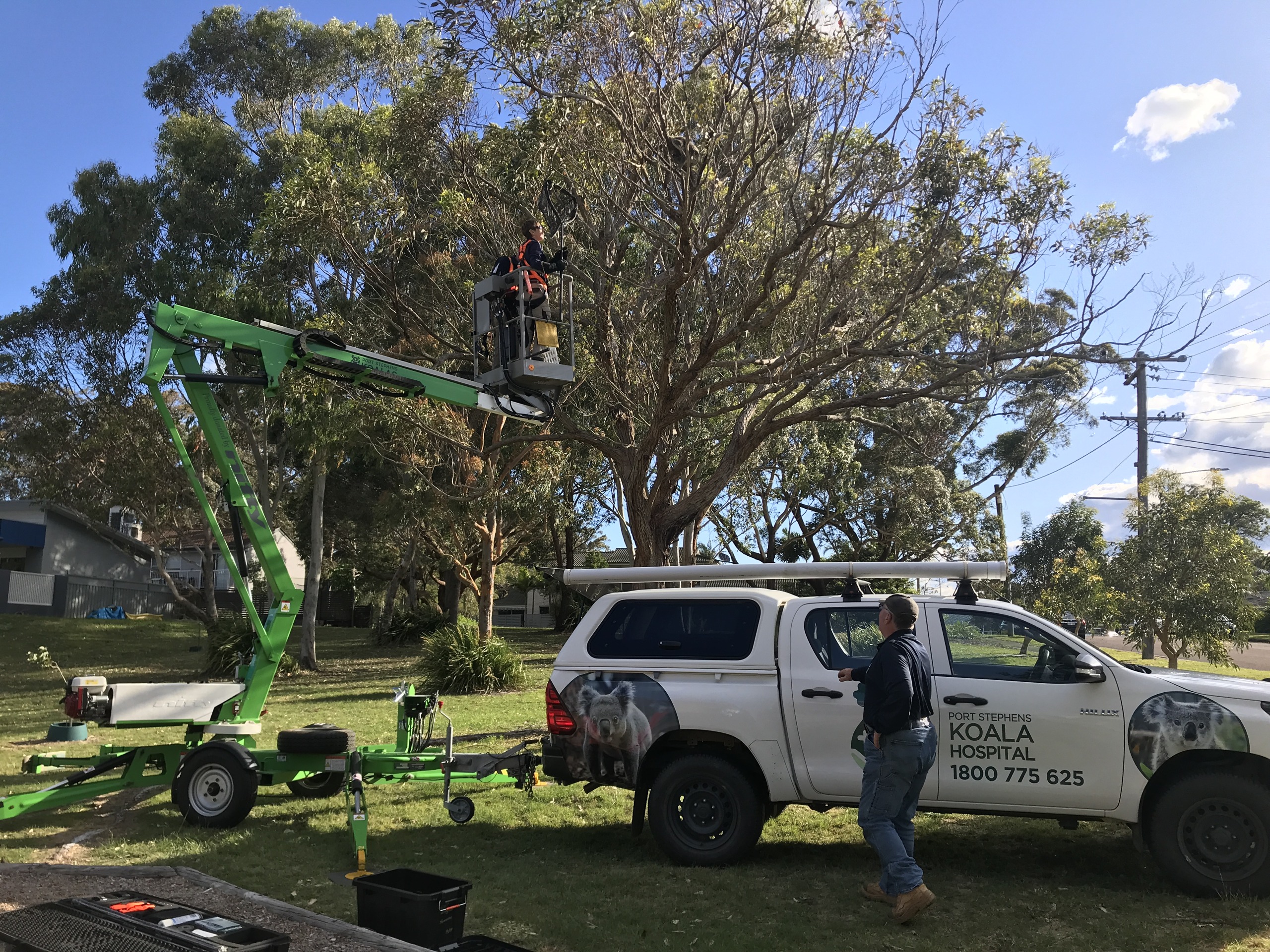
Koalas are most often brought into our care after being hit by vehicles, attacked by dogs, affected by disease, or struggling during heat stress events. These are the main reasons our koala rescue team is called out across the Port Stephens, Hunter and Newcastle region.

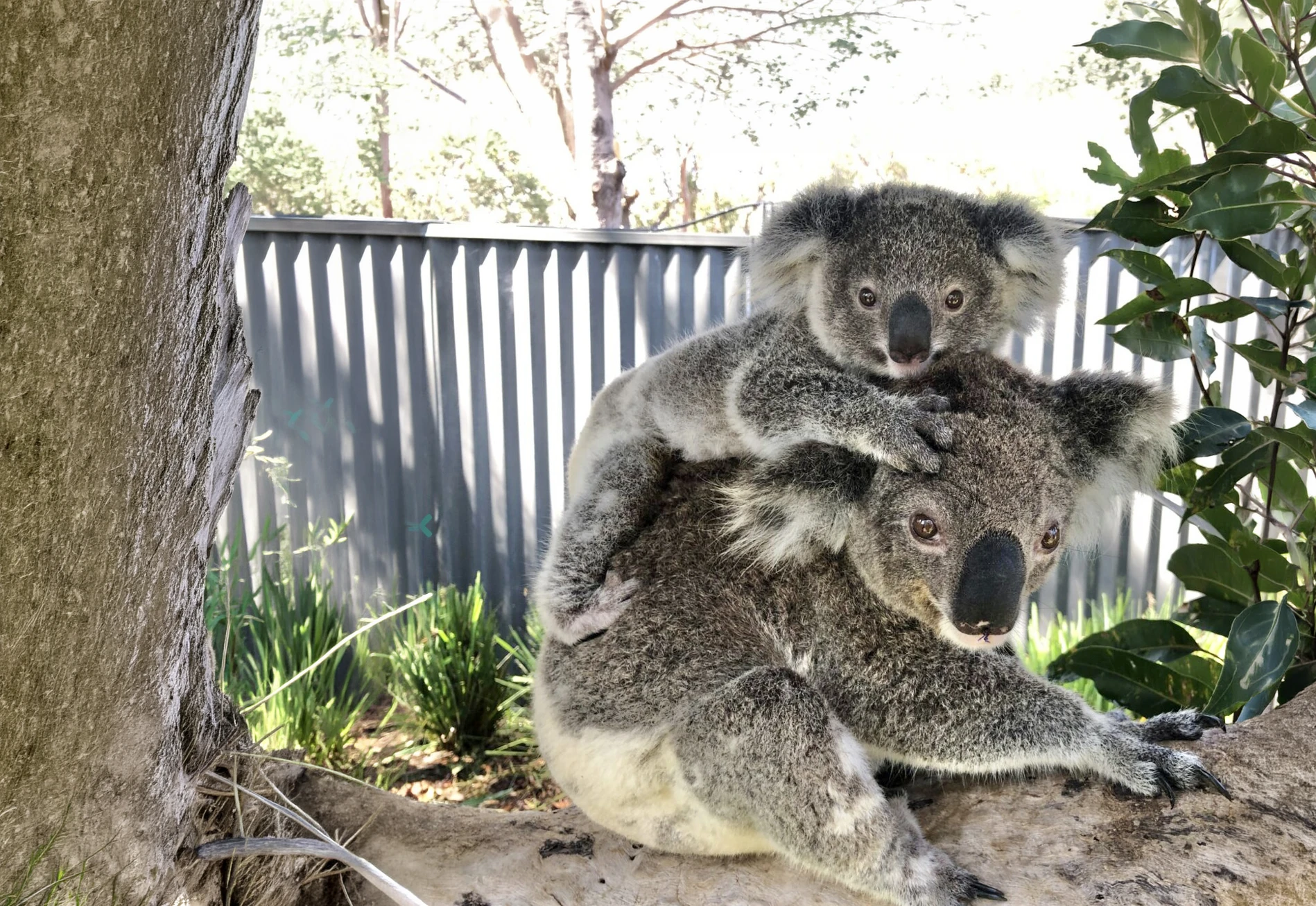
Pull over somewhere safe and call us immediately for our koala hospital support. If it’s safe to approach, move the koala off the road and check whether it’s a female carrying a joey. Joeys can survive even if their mother hasn’t. Your actions could save a baby koala’s life.

Secure your dog immediately and contact our koala rescue service team. Even wounds that seem minor can become life-threatening, so it’s important the koala gets a veterinary assessment as quickly as possible.

Our rescue volunteer team will assess the situation and give you advice over the phone or dispatch a trained rescuer. If the koala comes into our hospital care, our veterinary team will examine it and develop the most appropriate treatment and rehabilitation plan.

No. Calling our rescue line is completely free. However, every rescue, assessment and rehabilitation comes at a cost to the hospital. As a not-for-profit, we rely on donations and community support to help us provide this care.

It costs approximately $16,772 to rescue, treat, rehabilitate and release a single koala back into the wild. This includes veterinary care, specialised equipment, food, rehabilitation and rescue operations.

We know people become invested in the animals they help. While not all koalas can be visited due to welfare considerations, we share many patient stories and updates through our website and social media so our community can follow their journeys.

Slow down at dawn and dusk, keep dogs away from koala habitat, report sick or injured wildlife quickly, and support local conservation efforts. Small actions from many people in our community can make a big difference.

No. While koalas are at the heart of our work, our 24/7 rescue team responds to all native wildlife that is sick, injured or in distress. This includes birds, possums, gliders, flying foxes, echidnas, turtles, lizards, snakes and wallabies.

Vehicle hits and dog attacks are among the most common causes of injury we treat. We also care for orphaned young, animals affected by disease, entanglement injuries, and wildlife displaced by habitat loss and extreme weather.

Yes. From possums and gliders to birds and joeys, our koala rescue team regularly cares for orphaned native animals, providing specialised feeding, rehabilitation and support until they’re ready to return to the wild or move into appropriate care.

The same advice applies: keep your distance, keep pets away, and call our rescue line for guidance. Our wildlife service team can advise you whether the animal needs rescuing and the safest next steps.

During bushfires and other extreme weather events, we often see an increase in burns, dehydration, displacement and orphaned young. Community reports play such an important role in helping us respond quickly when wildlife is affected.

Success Story

Reggie’s journey back to the bush

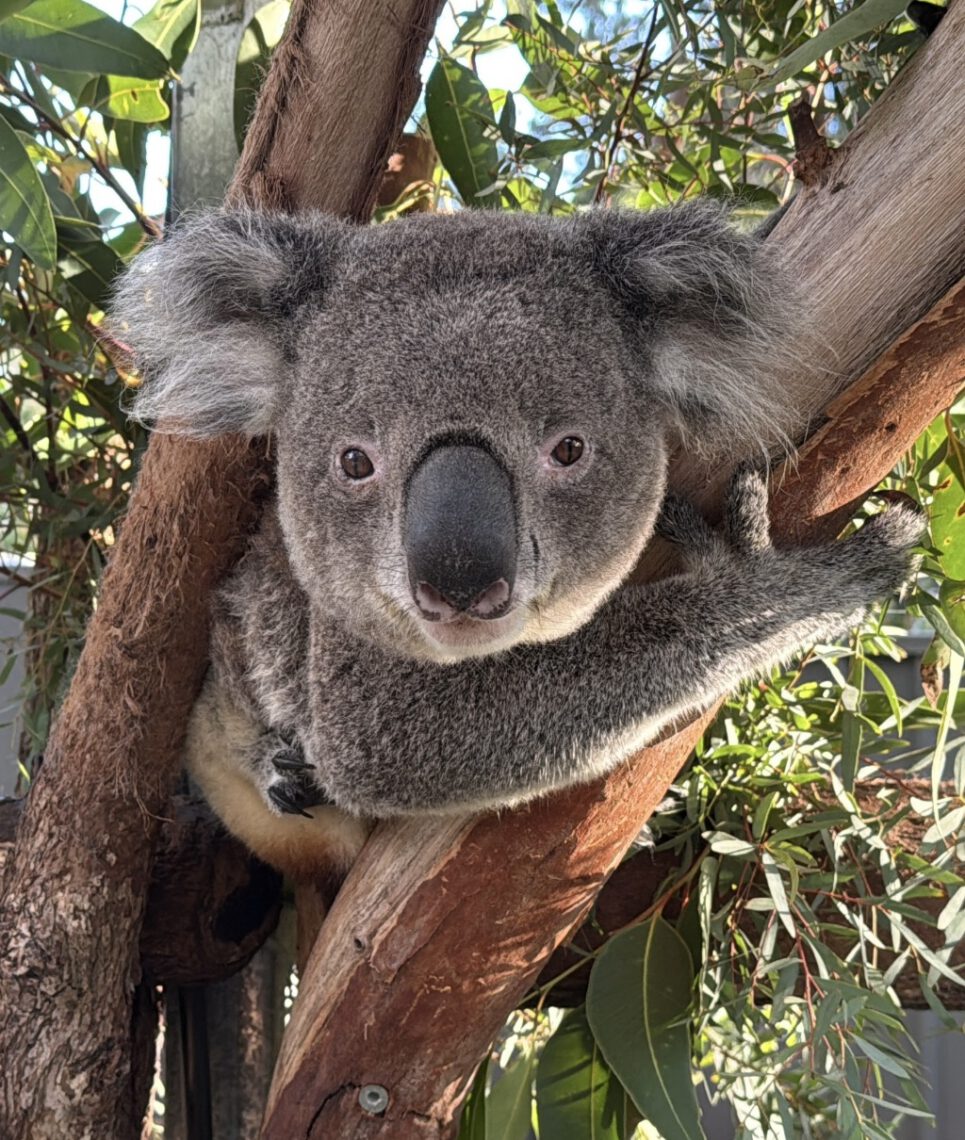
When Reggie arrived at Port Stephens Koala Hospital in December 2025, he was a young sub-adult male who had likely only recently left his mother to find a territory of his own. He was very unwell, with discharge from both his eyes and nose. A CT scan revealed pneumonia, and testing confirmed he was also positive for chlamydia.

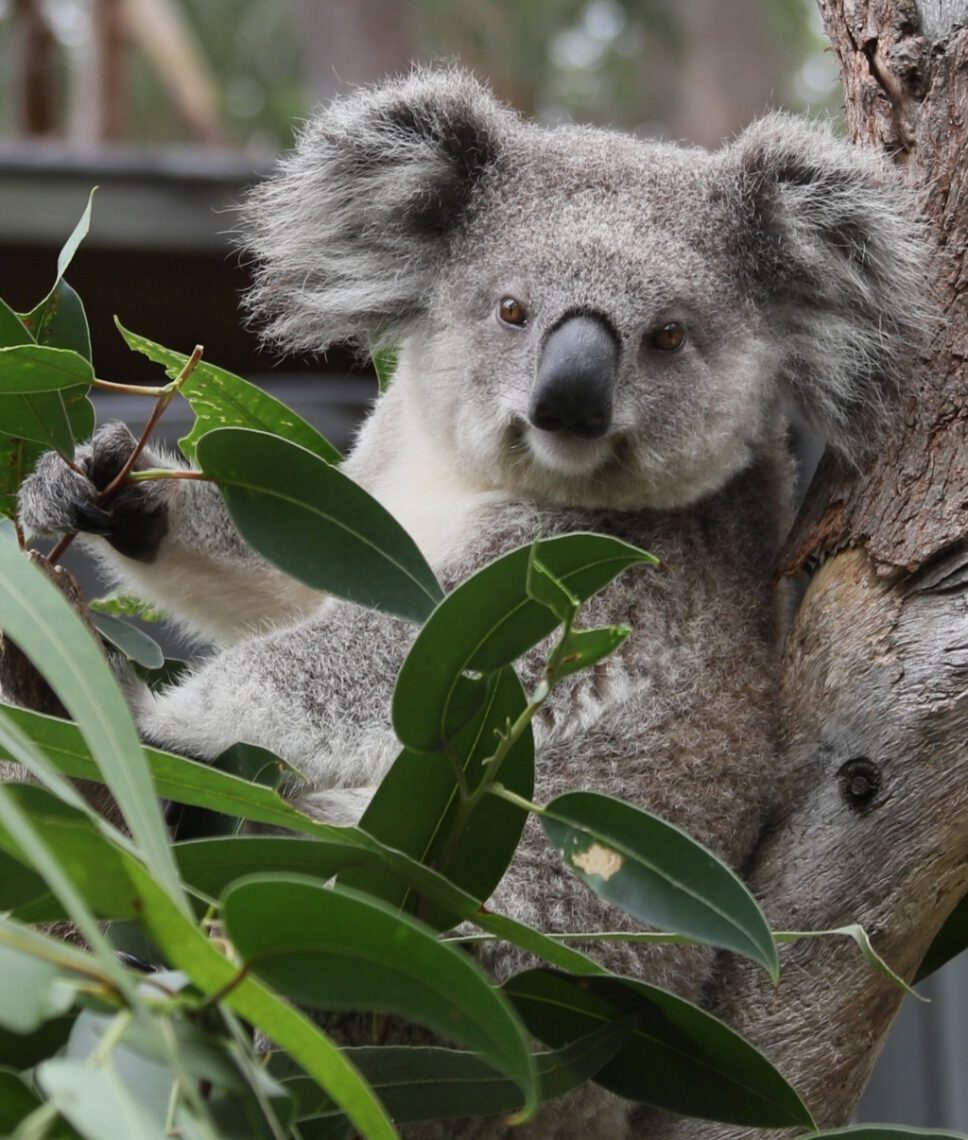
Reggie the koala

Report a koala sighting

Spotted healthy koalas in the wild across Port Stephens, the Hunter and Newcastle region? Let us know your sighting details – including the date and nearest street and town – so we can add it to our database and continue to count and map local populations.

Make a difference

Ways to support our work

keyboard_arrow_up