Injured koala? Call 1800 775 625 for 24/7 rescue
Advancing Wildlife Science
Koala research
Our multi-million-dollar hospital undertakes leading research helping support better outcomes and future treatments for koalas
$3 million funded Koala Chlamydia and Retrovirus project
Groundbreaking research
Koala Chlamydia and Retrovirus Project
A 3-year, $3 million research project is being funded by the Australian Government’s Local Environmental Projects Program.
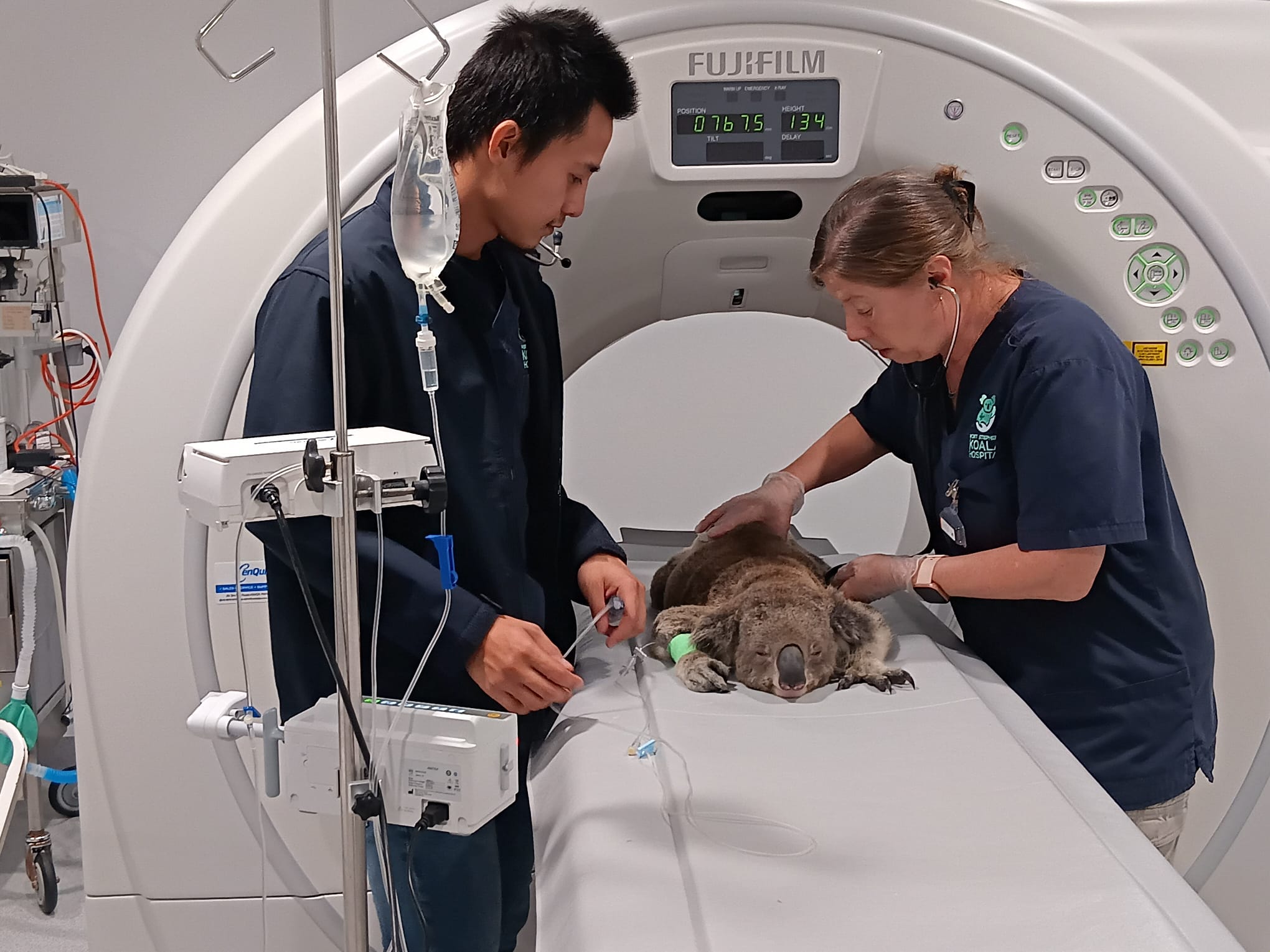
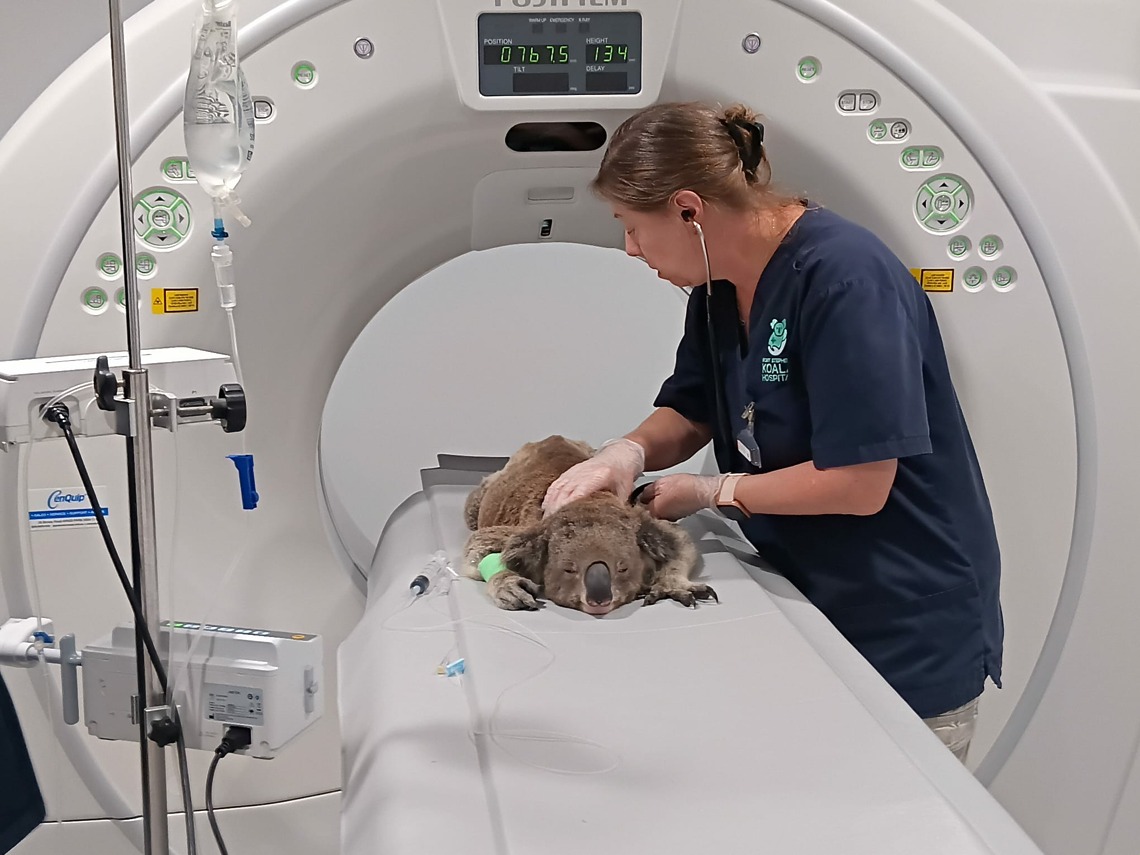
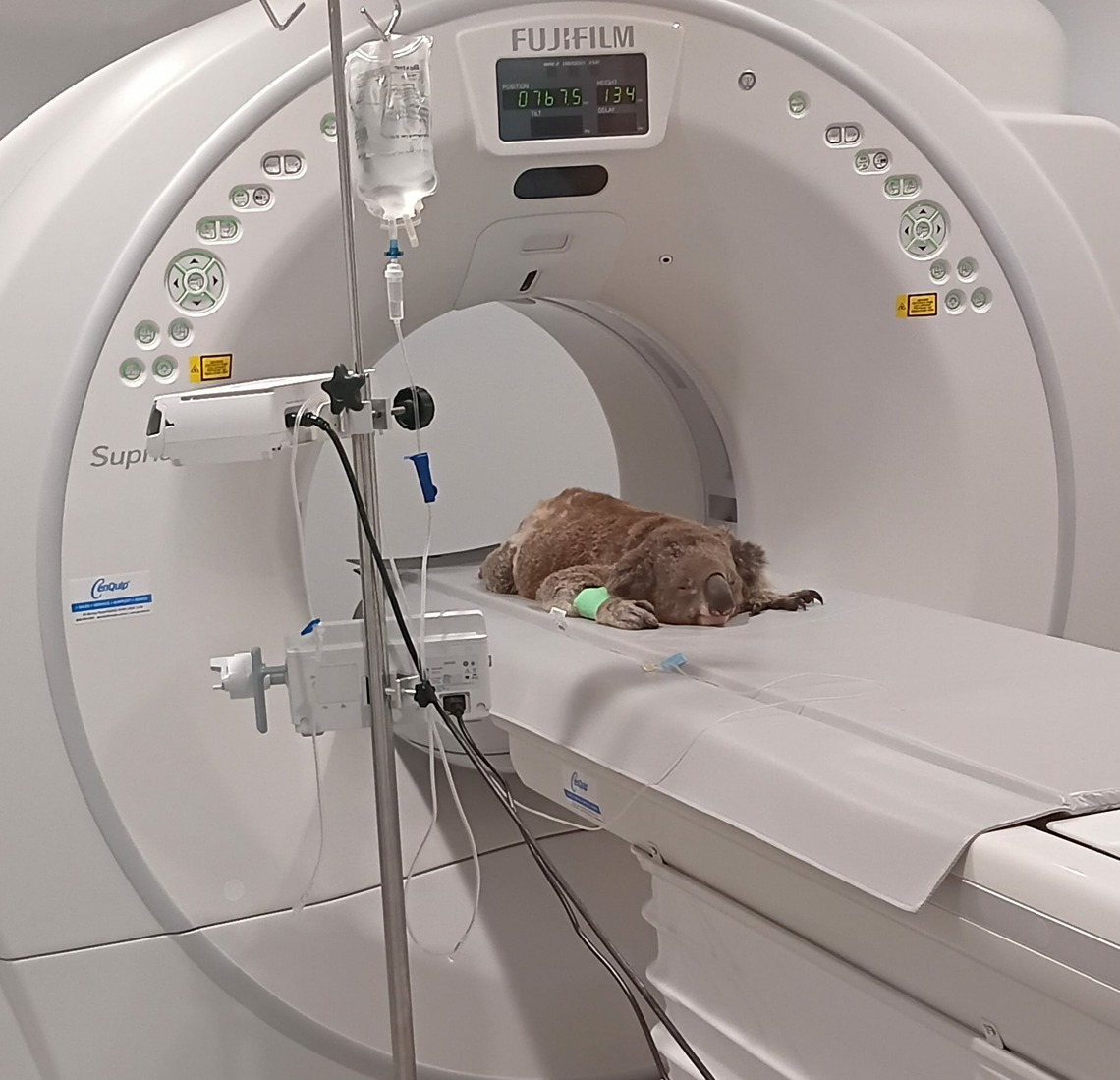
It uses the region’s only dedicated advanced CT scanner, generously provided by a philanthropic donor.
The project aims to better understand, monitor, diagnose and inform future treatment outcomes for two of the biggest health challenges facing koalas – chlamydia and koala retrovirus – while advancing koala care and conservation.
This research program is funded by the Australian Government.
Every koala treated at our hospital contributes to an expanding clinical dataset that helps inform future diagnosis and treatment
Innovative, fully accredited hospital and research facilities
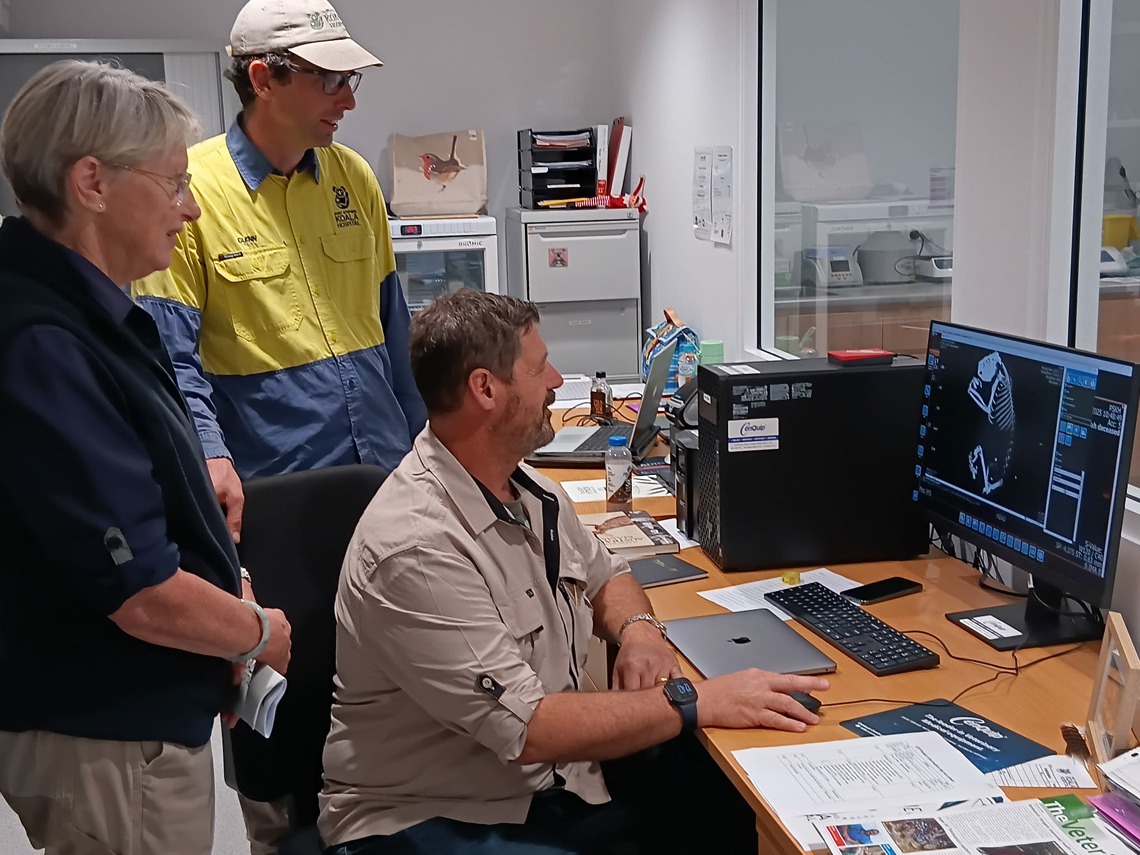
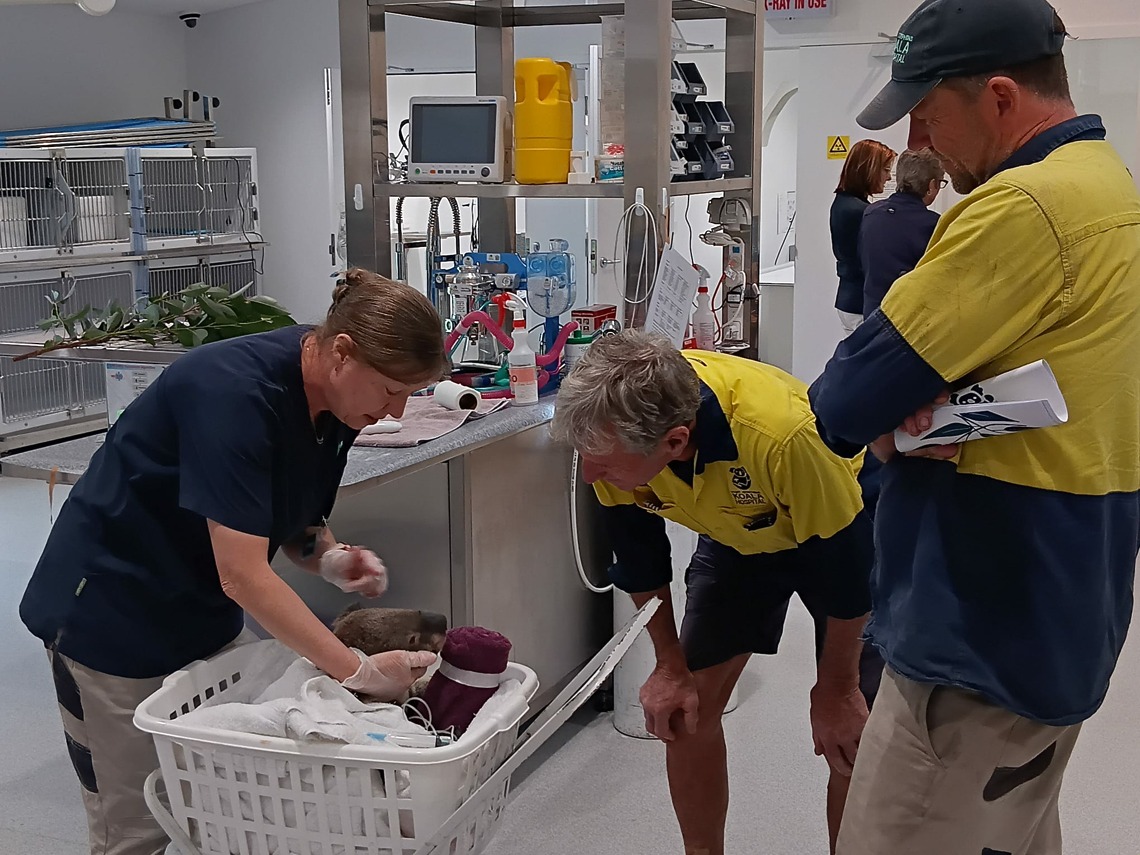
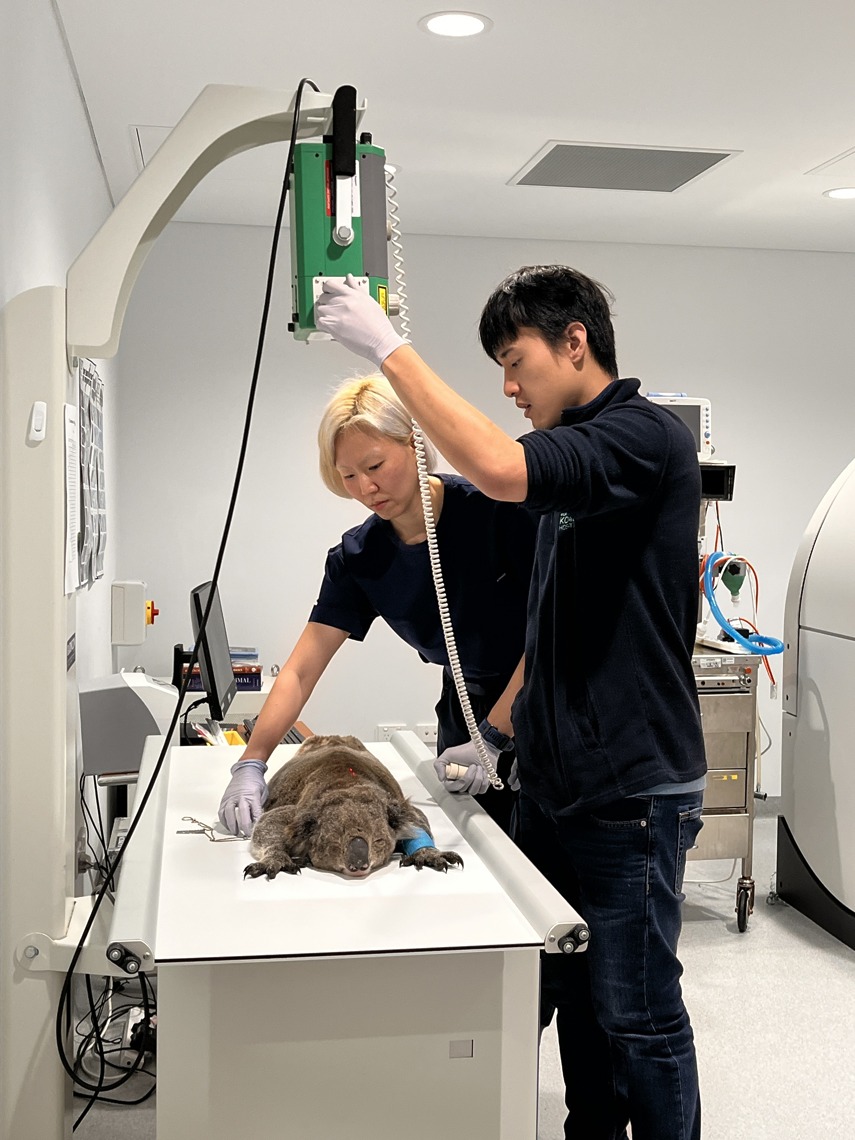
Our purpose-built, wildlife hospital hospital and research facility combines advanced wildlife care, diagnostics and research under one roof. With specialist clinical spaces, intensive care units, an operating theatre, onsite imaging and the region’s only dedicated wildlife CT scanner, it provides a unique platform for research that advances wildlife medicine and improves outcomes for animals in our care.
Did you know?
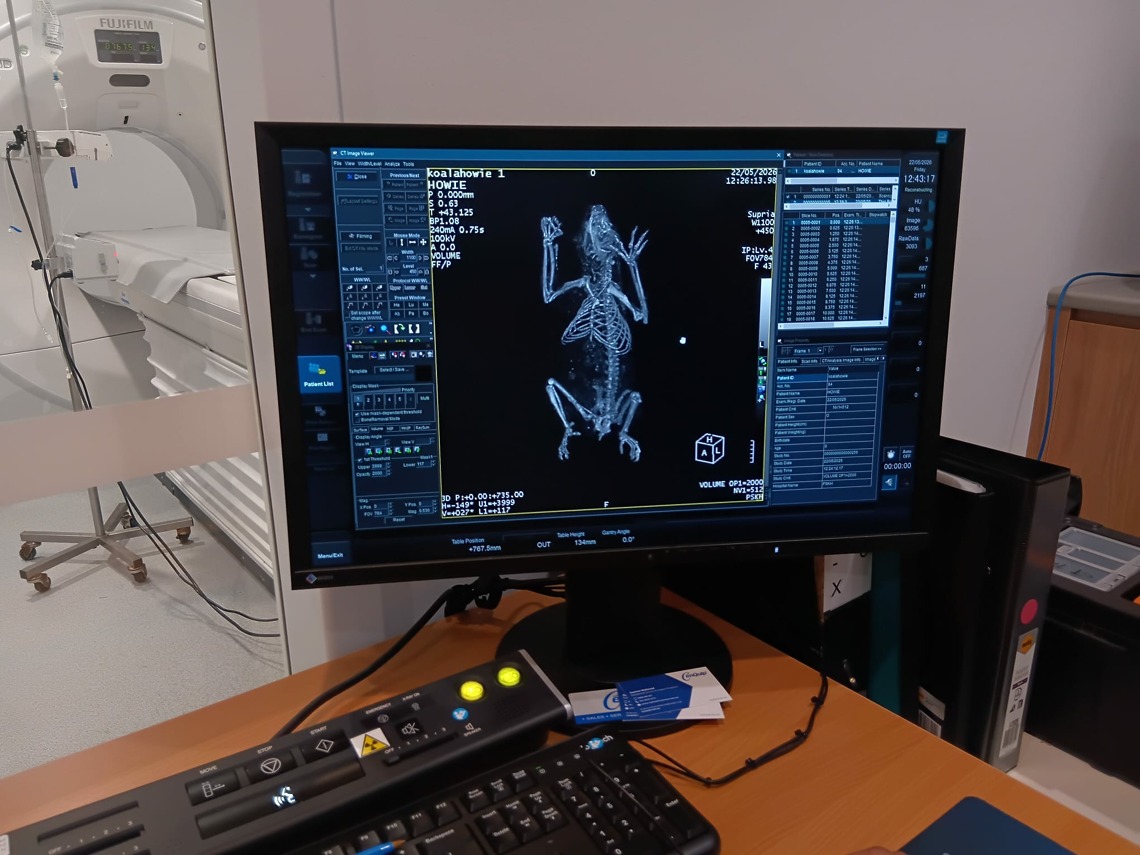
Our CT scanner can capture up to 128 image slices of a koala in a single scan, enabling detailed 3D diagnosis.
Did you know?
Our hospital operates as a referral centre for koalas and native wildlife, providing specialist veterinary care at no cost.
Did you know?
Our research is shared through education programs and partnerships to help strengthen wildlife care and conservation across Australia.
We support long-term koala conservation
Mapping local koala populations
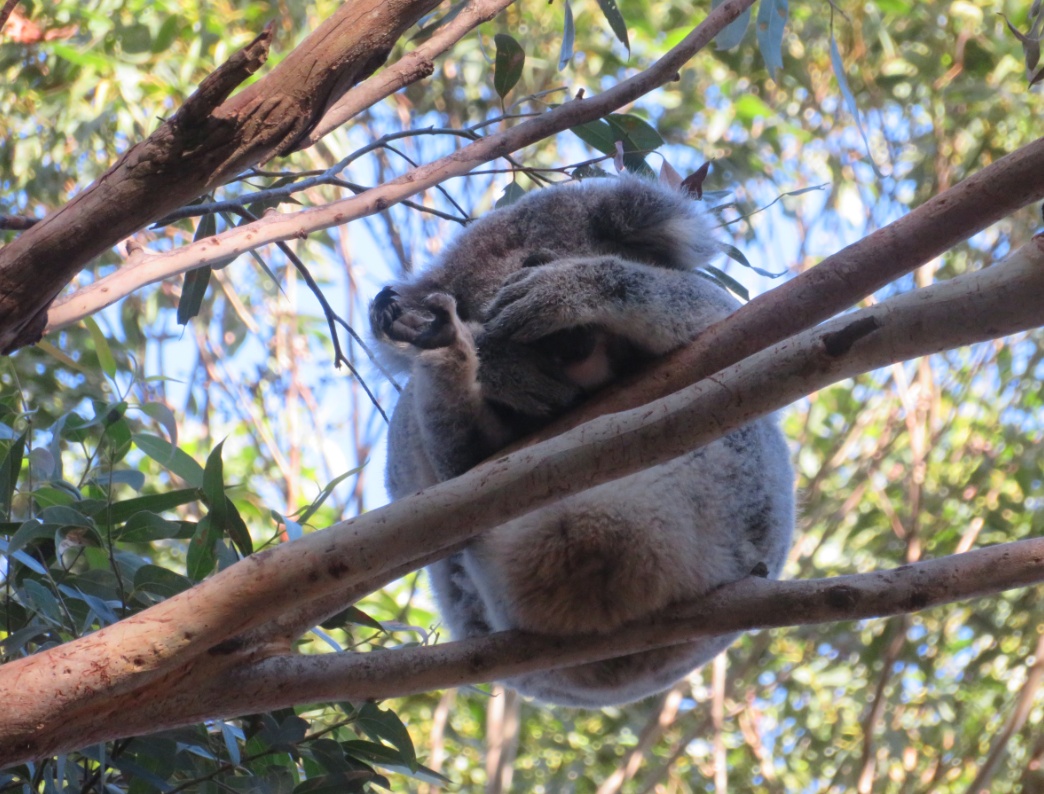
When people report a koala sighting to us, this information is entered into a regional database to help map local populations, estimate numbers and track koala habitat use and koala habitat change across the region. Where photos are provided, our experts can also assess the animal’s health and condition in the wild.

Long-term koala care tracking
Established by our hospital in 1995, this database records every koala admitted into our care, tracking their treatment, recovery and release back into the wild. It continues to be used today to monitor long-term outcomes and better understand rehabilitation success over time.